Wondering what a UGC video actually is and why every brand seems to be talking about it? Here is everything you need to know, with real examples.
UGC video has been coming up everywhere lately, and it might leave you wondering what it actually is that all these brands are talking about. A video of someone unboxing a product in their kitchen. A TikTok of a customer showing how a skincare routine changed their skin. A casual Instagram Reel of someone recommending a coffee brand while sitting in their car. You have probably seen videos like these hundreds of times without realising they are UGC videos. And brands pay real people to make them because they work in a way that traditional advertising simply cannot.
So what is a UGC video, exactly?
UGC stands for User Generated Content. A UGC video is any video created by a real person, not a brand, that features or promotes a product or service.
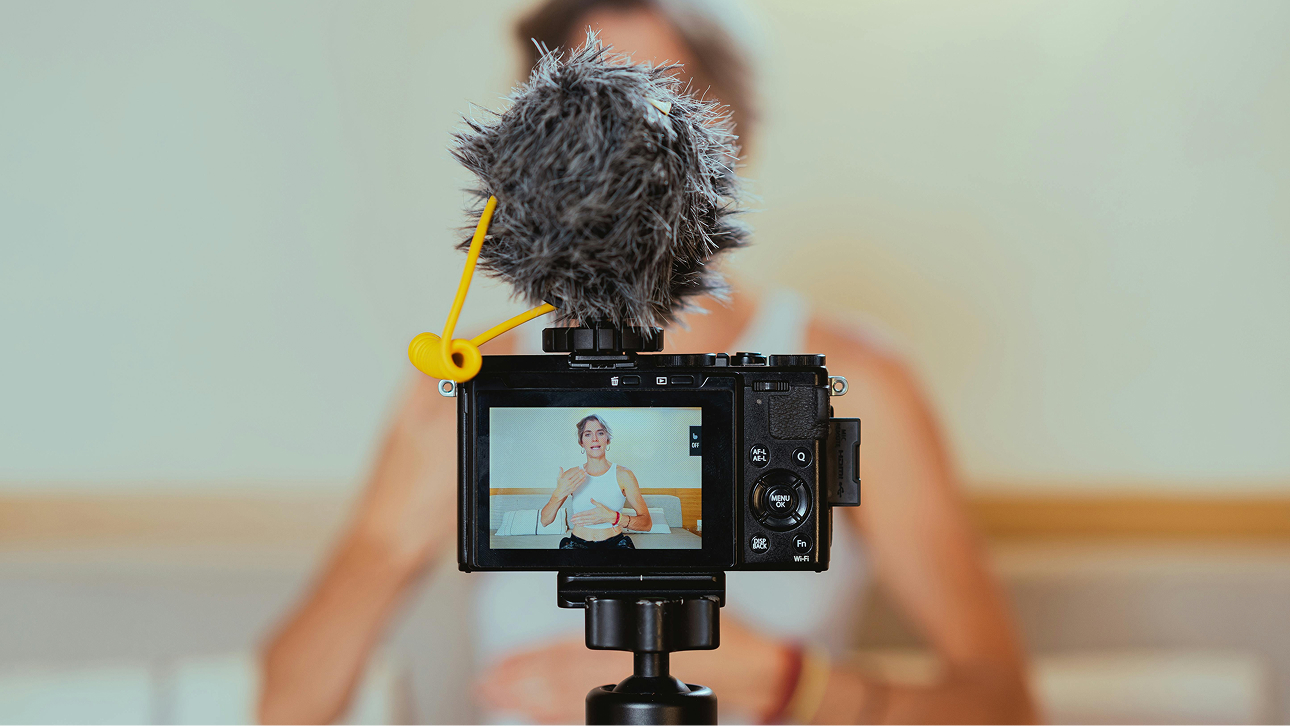
Originally, UGC meant content that customers shared completely on their own because they loved a product. Over time, brands realized this kind of content performed so well in ads that they started paying creators to make it deliberately. The video still looks organic and phone-filmed. The creator still sounds like a real person sharing their experience. But behind the scenes, a brand has written a brief and is paying for the content. This is what most people mean today when they say 'UGC video' in a marketing context.
Wondering what a UGC video actually is and why every brand seems to be talking about it? Here is everything you need to know, with real examples.
Why UGC video works so much better than traditional ads
The answer is simple: trust. Think about the last time you saw a traditional advertisement, a polished 30-second spot with professional actors and a brand logo at the end. What did your brain do in the first second? It recognised it as an ad. And the moment that recognition happened, your guard went up.
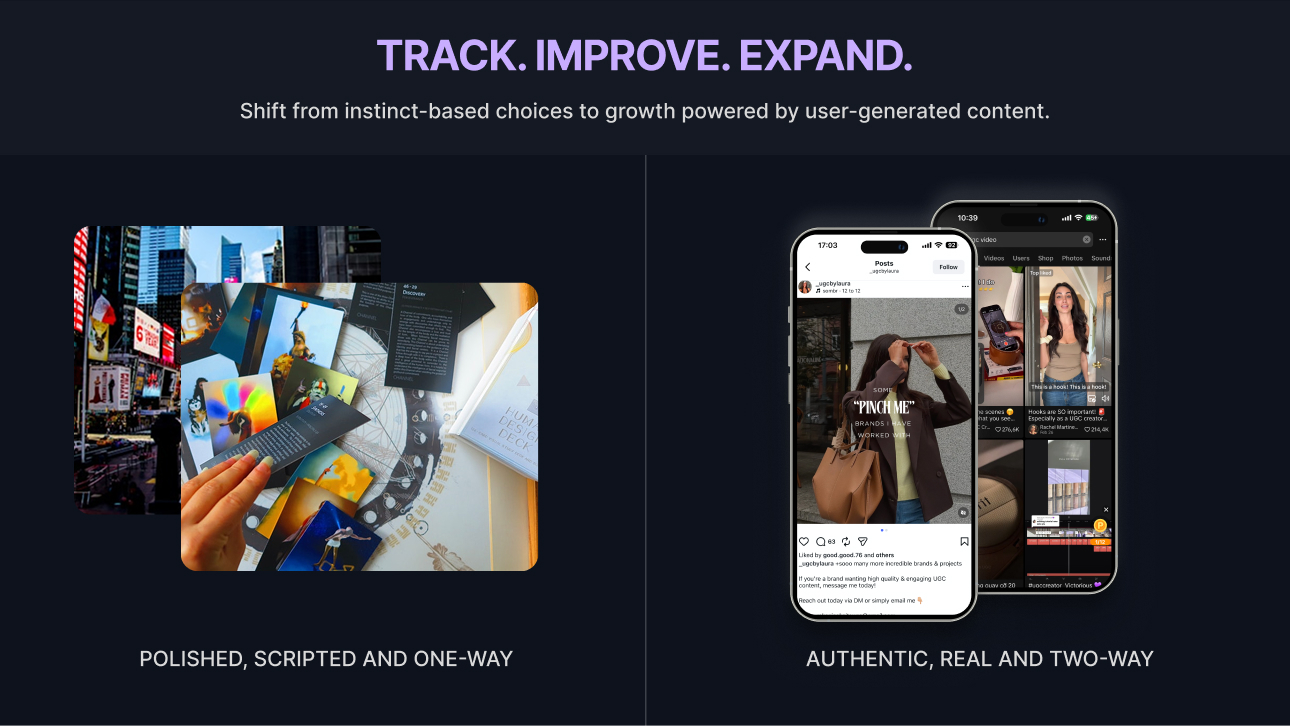
This is not a new phenomenon. Humans are wired to be sceptical of anything that looks like it is trying to sell them something. Traditional advertising has been triggering that scepticism for decades. UGC works differently because it looks like something a person chose to share, not something a brand paid to show you. When someone films themselves trying a product in their kitchen and talking about it the way they would talk to a friend, your brain classifies it as a recommendation, and we trust recommendations from real people infinitely more than brand messages.
On short-form platforms like TikTok and Instagram Reels, this effect is even more pronounced. Users scroll fast and skip anything that looks like an ad within the first second or two. UGC blends into the feed because it looks exactly like the content they are already consuming. That is why brands running paid social ads with UGC content consistently see better click-through rates and lower cost per result compared to traditional creative.
Wondering what a UGC video actually is and why every brand seems to be talking about it? Here is everything you need to know, with real examples.
The five UGC formats that brands use most
Testimonial is the most common format. A creator speaks directly to camera about their experience with a product, what they were looking for, what they tried, and what happened when they used it.
Unboxing captures a creator receiving and opening a product for the first time, reacting naturally. It works particularly well for e-commerce brands because it creates anticipation and lets the product speak for itself through genuine first impressions.
Before and after shows a transformation, physical, practical, or emotional. This format is powerful in beauty, fitness, and lifestyle categories because it provides visible proof of effectiveness.
Problem and solution opens with a creator describing a specific pain point they had, then introduces the product as what solved it. If the problem resonates, the viewer will watch to the end.
Day in the life weaves the product naturally into a creator's normal daily routine. It is the subtlest format and the one that feels the most organic.
Wondering what a UGC video actually is and why every brand seems to be talking about it? Here is everything you need to know, with real examples.
Can AI create UGC videos?
Yes, and it is becoming an increasingly important part of how brands approach creative testing. Tools like Anivision AI generate UGC-style video content using AI avatars and proven direct-response script frameworks. The output looks and feels similar to phone-filmed creator content.
AI-generated UGC is not a replacement for content made by real creators. The genuine human element, the real person with real opinions who has actually used your product, carries a level of authenticity that AI cannot fully replicate. But for testing hooks quickly, generating high volumes of creative variations for split testing, or scaling a proven concept across multiple markets and languages, AI UGC is a genuinely useful tool that reduces both cost and lead time.
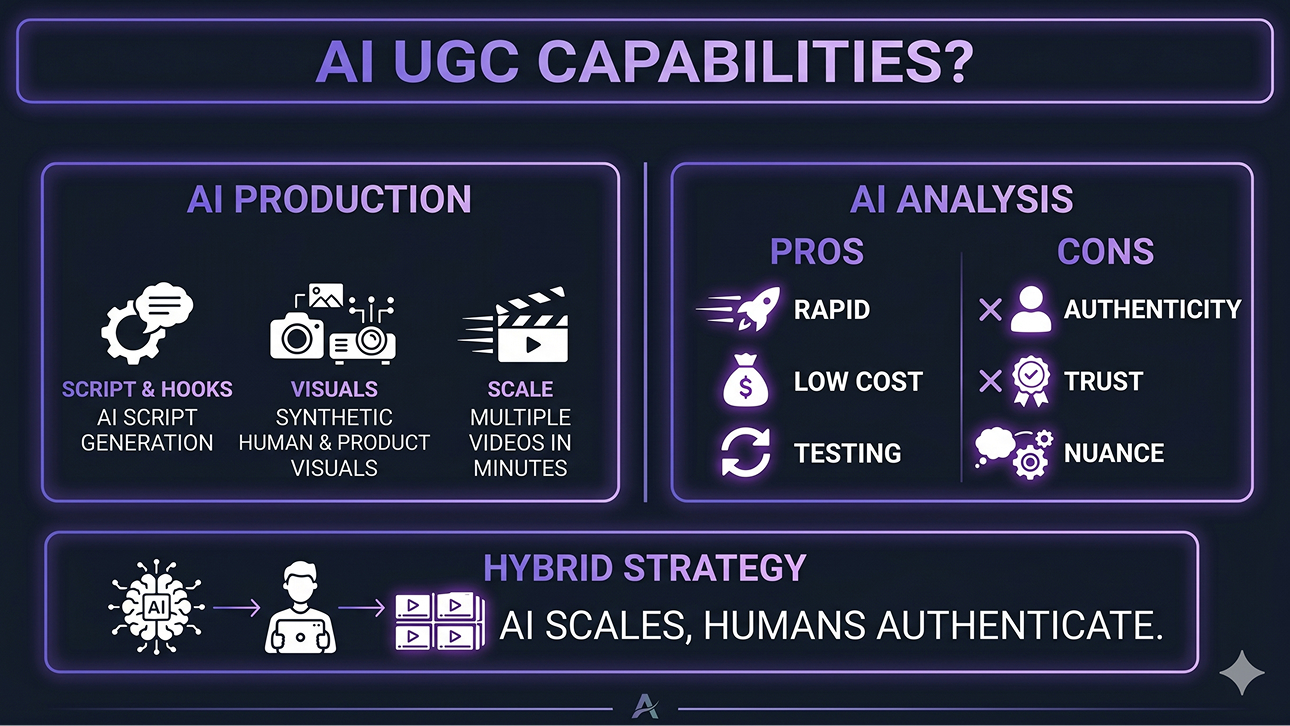
Real UGC vs AI-Generated UGC: when to use each approach. (AI-generated diagram)
Case Study: Daniel Wellington
When Filip Tysander launched Daniel Wellington in 2011, he had a product he believed in but almost no money to market it. Instead of traditional advertising, he sent watches to Instagram users and micro-creators, real people with real audiences, and asked them to post a photo or video wearing the watch in their everyday life, with a personal discount code for their followers.
The content that came back was nothing like what a watch brand would typically produce. It was casual, unpolished, and completely authentic. People wearing the watch at breakfast, at their desk, on a walk, it looked exactly like the kind of content those creators posted every day. By 2015, four years after launch, Daniel Wellington had reached $228 million in annual revenue. Not through television spots or magazine spreads, but through UGC that real people created and shared because it felt like something worth sharing.
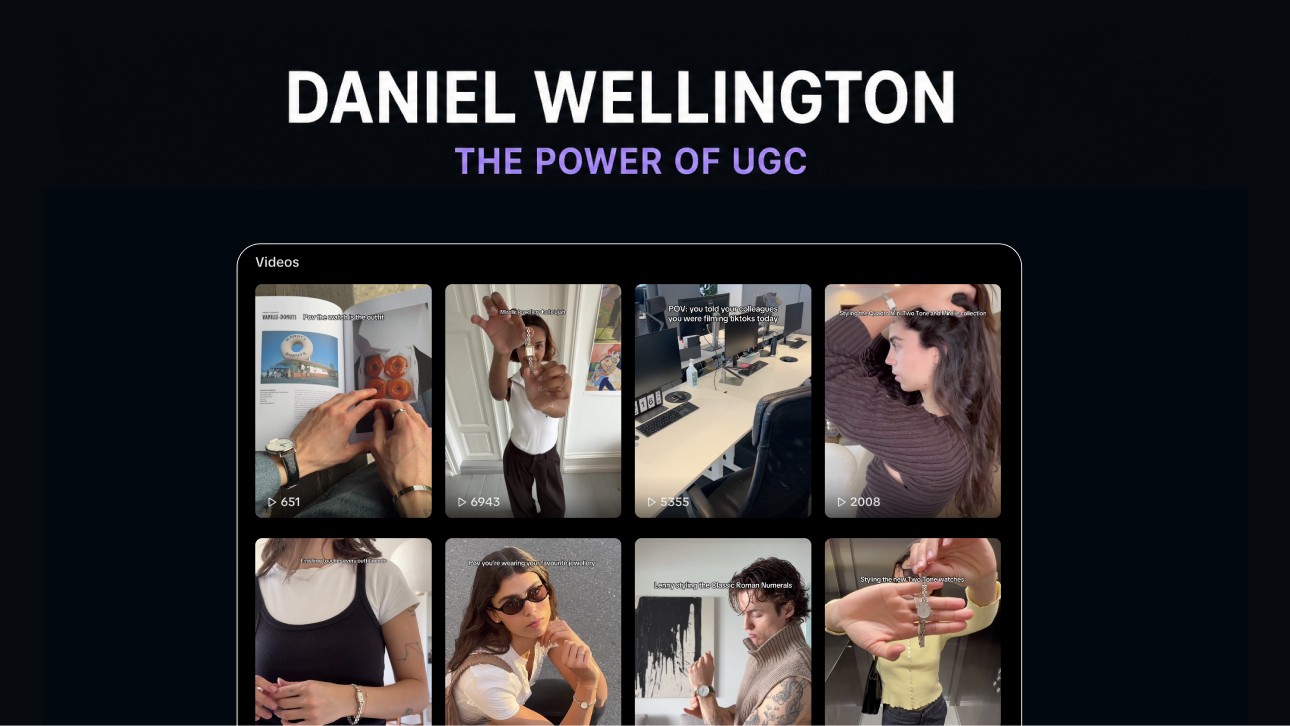
UGC content on TikTok: product demonstrations and creator-led brand content in the UK market. Source: TikTok (search: ugc video)